Aug 16, 2026
The Apps Behind My AI Workflow
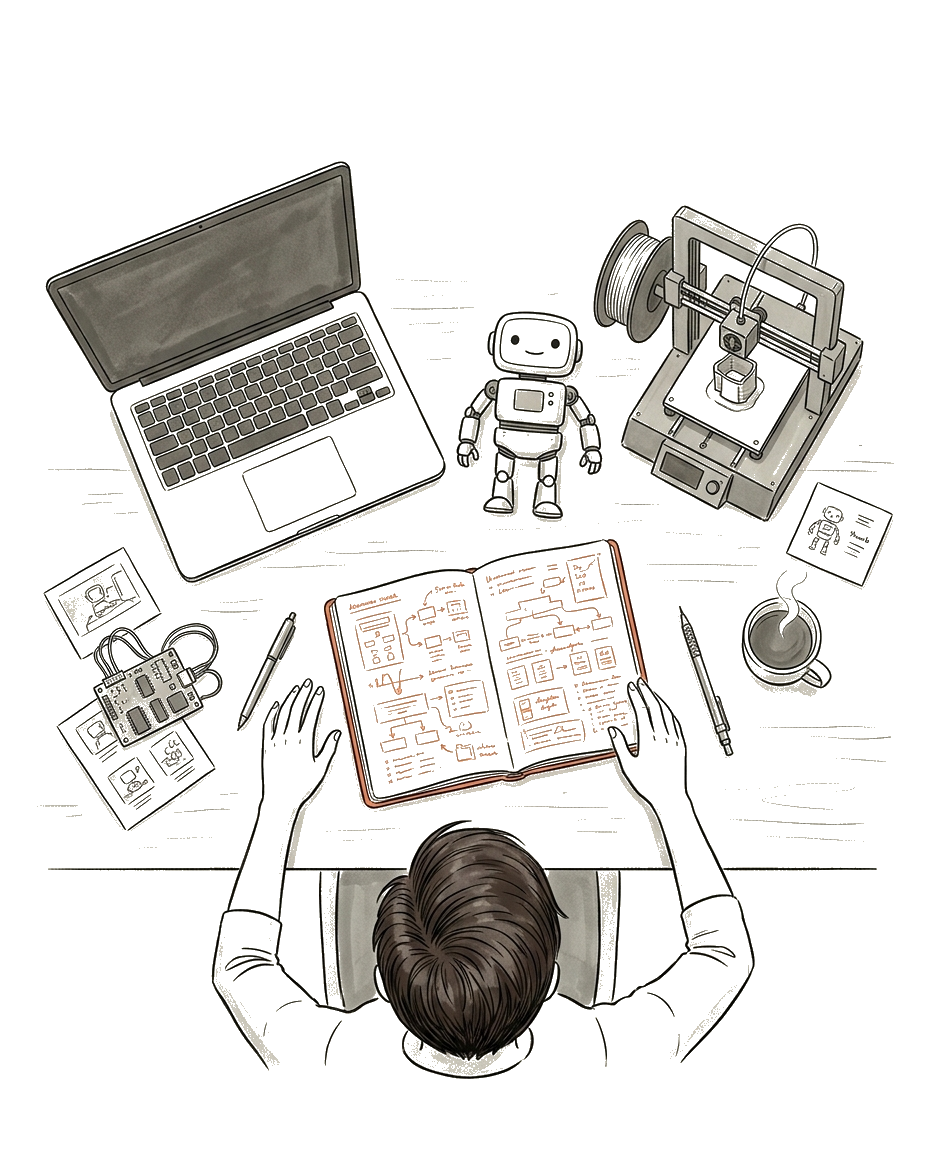
The first four apps I reinstalled after my laptop died, plus three more that help me capture, remember, and share my work.

Cathryn Lavery · Builder & Operator · Est. 2013
For operators getting technical, and builders learning to operate.
I go deep on one hard thing at a time, then write down exactly how to do it yourself. The topic keeps changing; the method doesn’t.
My best stuff is in my email.
My goal is for it to be the most useful email you read that day.
No spam. Unsubscribe in one click.
Gone deep on: Productivity Kickstarter DeFi Business AI
Writing since
2013
13 years of annual reviews, wins, and wrong turns.
Essays in the archive
160
From Kickstarter to crypto to AI agents.
Featured on








The latest
7 that caught my attention, followed by every publicly listed startup in YC’s Summer 2026 batch.
Start here
The signature essay
How I walked away from my own company — and why I couldn't stay gone.
An employee stole $230k from my company
What you learn about people — and yourself — when the money disappears.
Why 50/50 partnerships are lazy
The math problem nobody solves before they sign.
How I built my wife a personal AI assistant
The tech took a day. Understanding how she'd actually use it took a week.
First 100 days: buying my business back from private equity
What I fixed, what they broke, and what 100 days of rebuilding taught me.
The first four apps I reinstalled after my laptop died, plus three more that help me capture, remember, and share my work.
Stance prompts that make Fable 5 audit your codebase like a day-one CTO, an activist investor, or a departing cofounder. Copy, paste, run.
Stance prompts that run on your business, calendar, inbox, and family schedule. Hand Fable 5 an identity with something to lose and get owner answers.
Mine your Claude Code and Codex sessions for content ideas, tool fixes, skills, hooks, and safer self-improvement loops.
The exact AI house manager system I built for my family: Juno, approval boundaries, household memory, 1Password-safe secrets, and the weekly reset loop.
The system I used to make 100 illustrations hold together: style anchor, character sheet, fixed wrapper, in that order.
A practical multi-Mac setup for AI agents: mirrored folders, Tailscale, SSH aliases, relative paths, launchd, phone-reachable sessions, and the Tailscale tricks I actually use.
A practical way to make a local AI agent reachable from Telegram, Slack, or another inbox while keeping the work close to your files and tools.
A flat to-do list fails when AI agents do the work. The 7-step Beads workflow I use to plan and execute projects with Claude and Codex.
$ start ai-native
Free 7-day challenge
You're using AI. It's giving generic answers because it doesn't know who you are. Seven emails fix that — a context file, a skill, and four terminal commands. I went from never opening a terminal to 9,896 GitHub commits. This is the starting line.
No fluff. Each email has one thing to do. See what's inside →
Building, selling, and rebuilding companies.
Vibe coding, AI agents, and building with the tools that are changing everything.
Systems that actually last a year.
Things I had to learn the expensive way.
On working in public and writing as thinking.
A decade of yearly reckonings.